


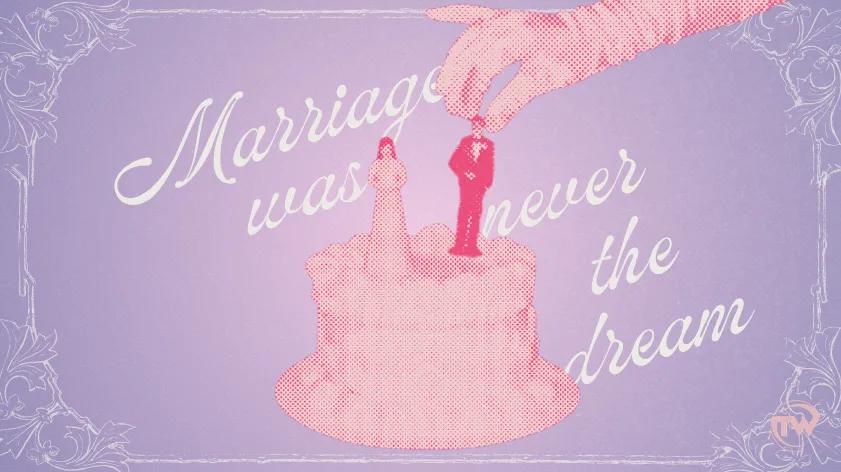
“I want to get married” was a phrase I never uttered, whether at home, where my family might hear, or outside, where strangers might build expectations around it.
I haven’t shrugged off the idea of marriage entirely, but for me, it was never the dream.
I didn’t grow up playing with Barbie dolls and making her kiss Ken. Nor did I wish to grow up like Barbie just to feel how boys would be drawn to me because she was Barbie. I wanted to be her simply because she was who she was.
When playing with friends, I would sometimes avoid bahay-bahayan when they assigned roles, especially when I was named the wife. I wanted to be the child. I did not want to be married.
During class breaks, when conversations drifted into ideal weddings, I didn’t always stay silent because, as someone who gets obsessed with planning, I understood the appeal. The dream, if anything, was to plan for a year, choose the perfect palette for every small thing, source a white dress I would be too afraid to stain, visit churches and gardens just to feel the place where everything would unfold.
And still, marriage was not the dream. Even as I imagined all these possibilities, I never found myself wishing for the moment they led to—not the vows, not the aisle, not the ending they were building toward.
It could have something to do with what I saw growing up. Among all the marriages around me, only my grandparents’ felt like something I could believe in. That may be why the dream never quite formed. The only version of marriage I trusted lived in theirs and nowhere else.
Marriage in the Philippines
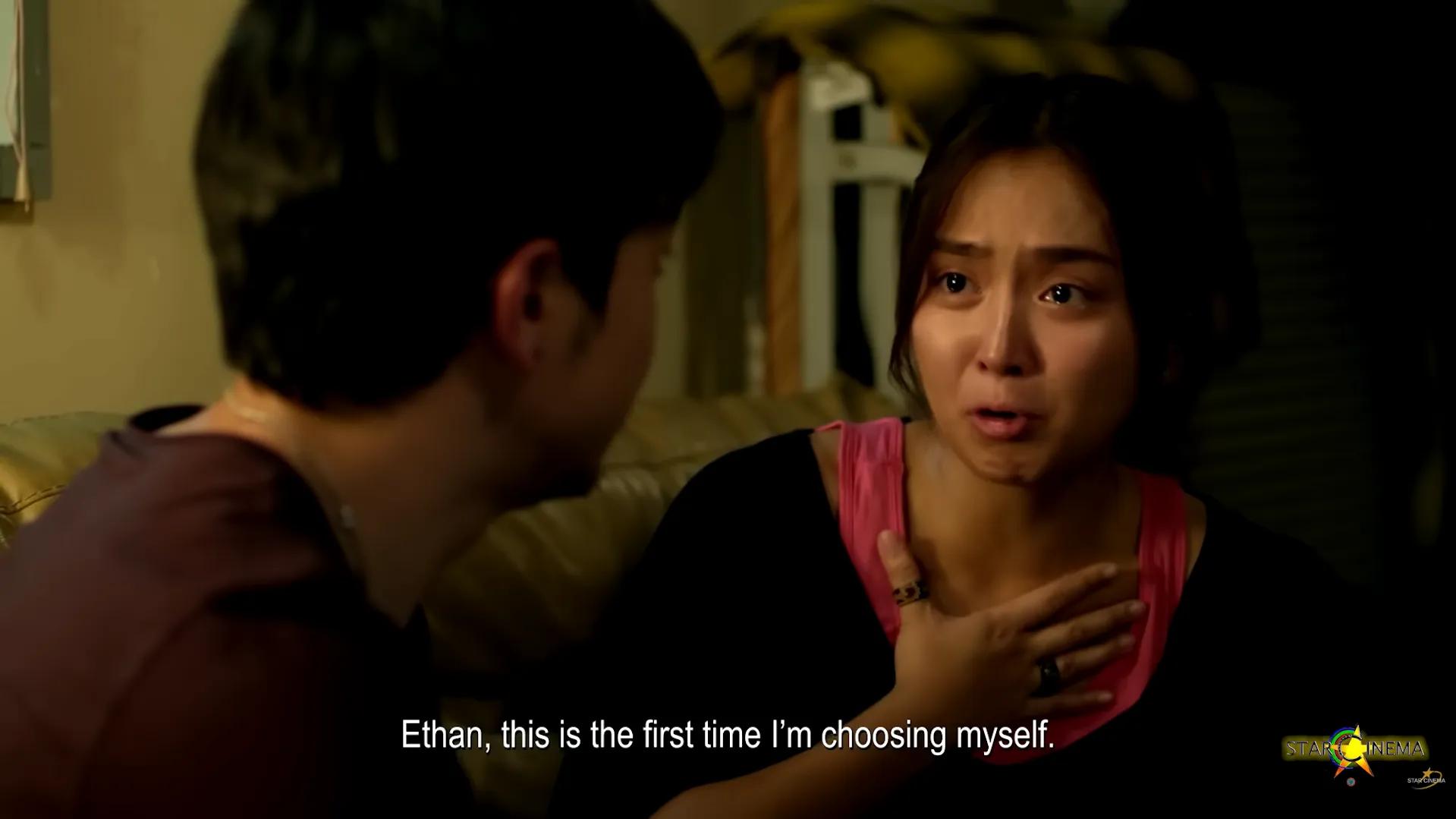
(Photo from Hello, Love, Goodbye (2019))
In a culture that expects marriage, the topic often comes up during annual family gatherings. Questions about when a couple will finally get married are common at the table. If not asked out of concern, relatives frame it as a warning—lest one becomes an “old maid,” or as they say, matandang dalaga.
Luckily, considering that I’m still a student, even though I’m in my 20s, the questions I receive are still about grades and future work. But I know that once we are no longer seen as teenagers, it becomes about marriage or at least about having plans for it.
But more and more people are hesitating; marriage is no longer happening as often. There was a 10.2 percent decline in registered marriages nationwide in 2024, continuing a downward trend from the previous year.
Maybe for some, marriage doesn’t seem necessary. If two people can stay together without it, what difference does it make? Even the cost of a wedding can be overwhelming, making marriage feel less like a dream and more like a burden.
As explained by Commission on Population and Development (CPD) Communications Division Chief Mylin Mirasol Quiray, many Filipinos now prioritize economic stability and personal goals before marriage. CPD studies also show that more couples choose cohabitation as a means of commitment, and some are avoiding marriage due to money and complicated requirements.
Even with all these, for some, marriage was never even accessible, as LGBTQ+ members continue to fight for their rights, including the legalization of same-sex marriage in the Philippines.
Marriage is changing. It is no longer simply a dream to fulfill because it is expected. Instead, it is now tied to its high cost and access. It may remain as a dream for others, but it has also become a distant privilege for some.
Between expectations and choices
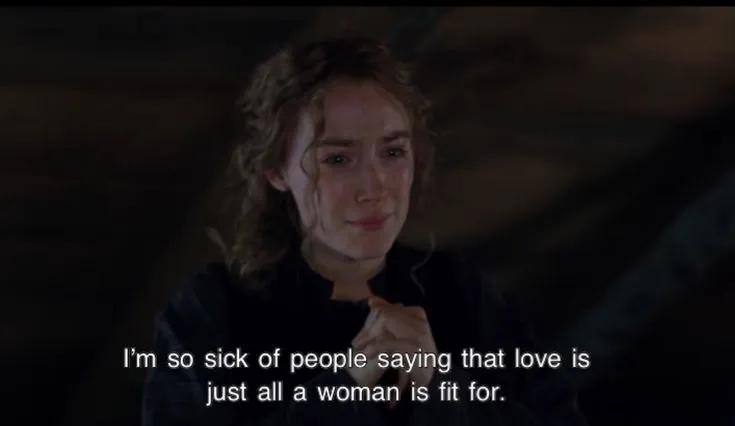
(Photo from Little Women (2019))
With all of these ongoing realities, I find myself returning to the same quiet truth I’ve always known.
Marriage was never the dream.
It was never something I completely closed myself off to because, frankly, sometimes it turns into a question of what-ifs—a question of whether I am simply afraid of what I have seen. But what if they’re right? What if marriage could make things lighter, make life easier?
But that is not enough reason to want it.
A woman’s decision to marry or not should not be rooted in fear, in pressure from relatives or even from herself, or in the hope that it might somehow save her. It is not meant to. If it is a choice, then it must be fully hers.
With so much to consider, marriage shouldn’t define a fulfilled life. It shouldn’t only be an expectation for women. It’s only one way to live fully—not the only way.
Not every ending, not even the beginning of a life, has to arrive in a white dress. Some of us remain in gray, uncertain of what is ahead, but certain enough that marriage is not the measure of becoming.








Comments
Loading comments...
Leave a Comment