



In teleseryes and films, typical Filipino families show their love through quiet acts of service. Mothers prepare meals before their children head to school, fathers break their backs to provide for their children, and both parents teach their children virtues that would help them lead a good life.
However, in some of these movies and teleseryes, breadwinners and children who have given their all for their parents are met with silence, nonchalance, ungratefulness, or worse, scorn and abuse.
These may be works of fiction, but beyond the screen, the time will come when these roles will reverse, when the same hands that once carried us will hold on to ours as we take care of them. As these roles switch, do we hold their hands out of genuine love or only because we are legally compelled to do so?
Right on cue, this is where the “Parents’ Welfare Act” comes into play.
The Parents’ Welfare Act, explained
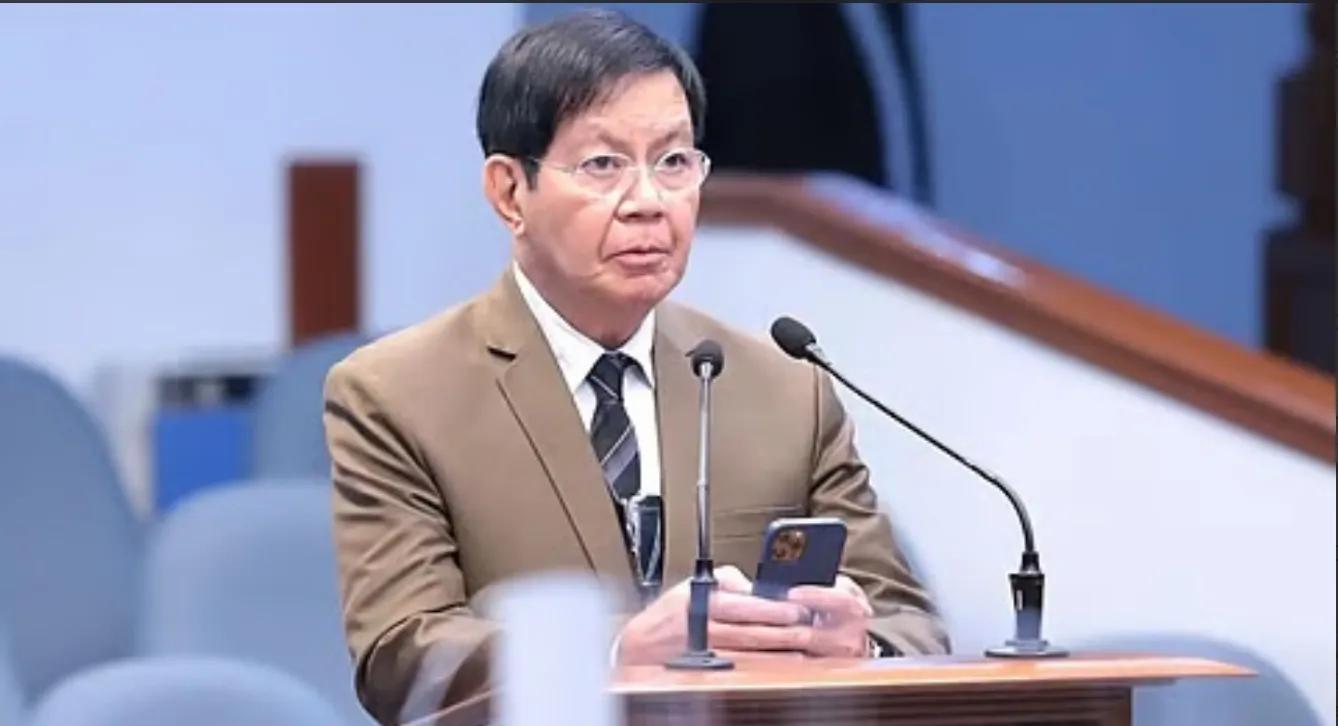
(Photo from The Daily Tribune)
Refiled by Senator Panfilo “Ping” Lacson on July 25th, Senate Bill No. 396 or the proposed “Parents’ Welfare Act of 2025” seeks to require adult children to support their aging and ailing parents when they can no longer support themselves.
While this bill may be new to many, its core principle isn’t. Articles 194 and 195 of the Family Code of the Philippines define the scope of “support” among family members as covering medical assistance, education, and transportation, which should be rendered according to the financial capacity of the family. These provisions also state that members of the family should support each other reciprocally, meaning that parents should support their children and the children should support their parents, regardless of the legitimacy of the children. It also extends to grandchildren and even the siblings in the family.
Lacson says the measure he proposed will strengthen Filipino family ties and amplify filial duty, ensuring elderly parents are not abandoned in their time of need.
He says that the bill defends less fortunate parents who are being neglected and abandoned by what he calls “unreasonably ungrateful children.”
“This bill stands in defense of those parents’ damaged honor: a once noble sacrifice, sense of pride, and unconditional love that were diminished and dishonored due to the neglect and abandonment by their children,” he wrote in a column for the Philippine Daily Inquirer.
Those children who will be proven to have abandoned or failed to support their parents will be penalized.
Social media went abuzz after news of the bill broke, with the proposed measure drawing mixed reactions on how it could be implemented. Some argue it risks criminalizing family dynamics, saying that “love cannot be legislated.”
Critics argue on social media that the bill had failed to account for complex realities like children who have been abused or neglected growing up, those without financial means and cases where parents treated their children as “retirement plans.”
In response, Lacson clarified the bill excludes parents who have been proven to have abused, hurt, or neglected their children, adding that children who can’t financially support their parents may not be obligated to do so.
But beyond familial connection lies the biggest challenge of why a proposed measure that might turn into law must lean on individual children to fill the needed void.
The Social Pension for Indigent Senior Citizens Program provides a P1,000 monthly stipend to seniors classified as “indigent,” leaving many with limited assistance. As a result, seniors rely on the Government Service Insurance System (GSIS) and the Social Security System (SSS) pensions. Yet it remains low: SSS has a minimum pension rate of P1,200 for those with 10 credited years of service and increases only with larger contributions, while pension rates from GSIS start at P5,000, with other bonuses including a Christmas cash gift and annual adjustments.
Meanwhile, for the Philippine Health Insurance Corporation (PhilHealth), it often relieves only a portion of the total medical coverage. Notably, Associate Justice Jhosep Lopez revealed that of his P7-million hospital bill, PhilHealth only covered P50,000–less than 1%, despite his regular contributions to the agency.
With pensions stretched thin and healthcare woes for the most vulnerable, the Commission on Human Rights (CHR) and the Department of Social Welfare Development (DSWD) have backed a measure for a universal social pension. Without fair systems, elderly care still unfairly falls on families with limited resources.
While Malacanang cites a 50% discount on all LRT and MRT fares as evidence that seniors are prioritized, these benefits fail to confront huge truths, such as food insecurity, high healthcare costs and limited support. After all, cheaper fares seldom equate to enough resources.
Two months after the measure was proposed, one might ask if this bill is a sign that the government is shifting care of our elders to families rather than working and improving sustainable care for the elderly.
A duty or choice?
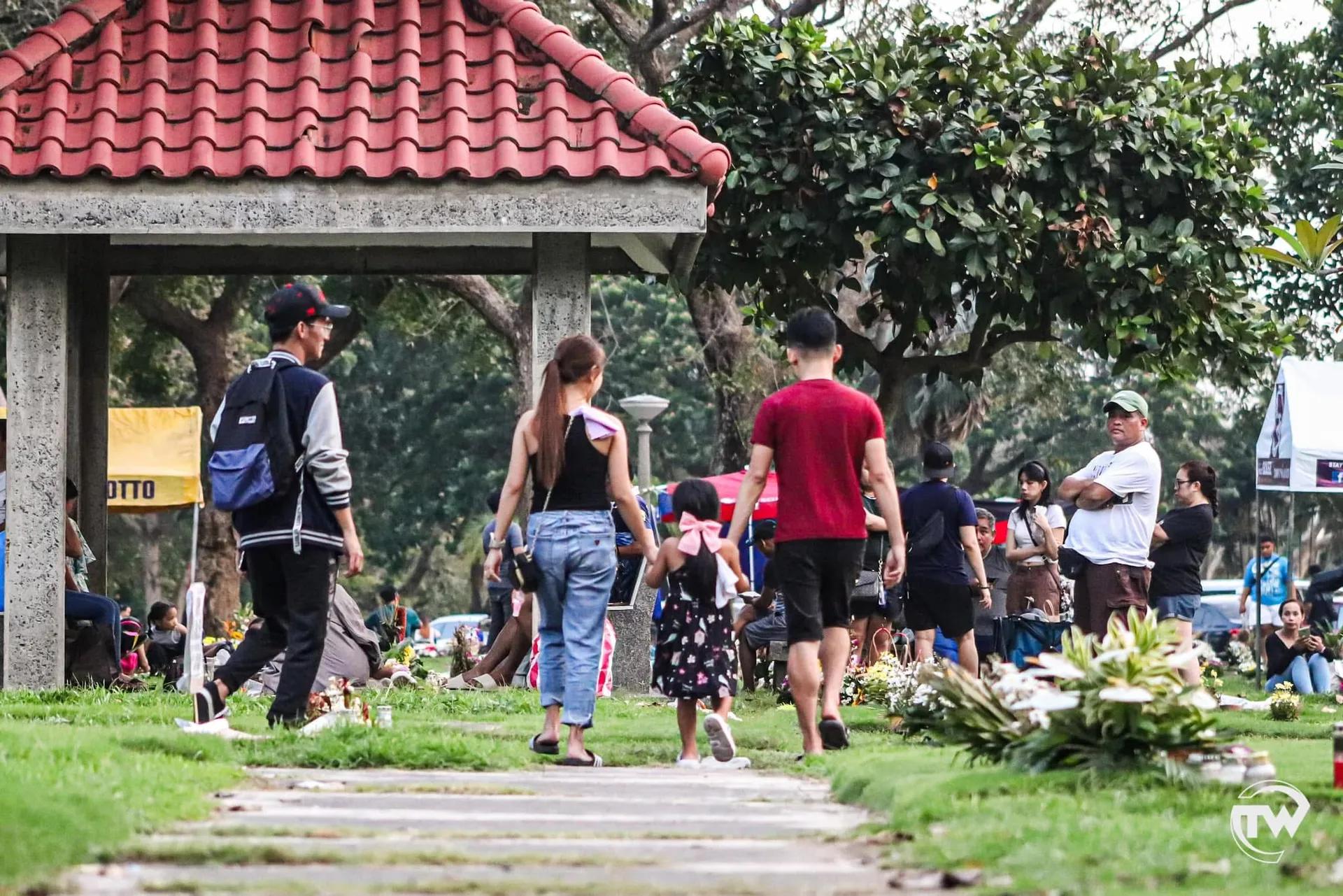
(Photo by Kirkenes Tarubal/TomasinoWeb)
Culturally, it is deeply rooted that caring for our parents is our form of giving back, or our utang na loob and as a form of respect to them. As this passed on through generations, it has been the norm for how children must support their elderly parents based on societal structures, changing dynamics and the availability of resources. While such tradition remains strong, it now collides with rising costs, financial hardships and shifting family realities in providing care for our elderly.
This mandate is presumably drawn from Filipino filial piety and the expectation that this bond will naturally translate into material and caregiving support, but it may overlook the realities of strained relationships. As we look closer at reality, family conflicts have become more visible.
There are many examples of filial unrest and family members airing their dirty laundry in public. One such example is the public fallout between gymnast Carlos Yulo and his mother, Angelica. Carlos’s allegations of mismanaged prize money were met with pleas for forgiveness from his mother after a protracted back and forth of statements in public. Their situation reveals how familial matters remain hidden until tensions escalate.
Such public fallouts remind us of the fragility of every familial connection. When love is measured in gratitude, it can become heavy, turning children into prisoners of obligation rather than being guided by choice. And when the law mandates care, burdens might become heavier for children who have been quietly carrying them. In such cases where acts of love are mandated by law, can this still be called love, or is it sketched on the list of things we owe?
And even if this measure might allow some exceptions, love and care aren’t defined easily. While it offered exemptions to those who were neglected, abused and simply didn’t have the means, boundaries might blur lived realities. Abuse and abandonment cases may be hard to prove, financial capacity becomes a subjective reality and cultural guilt may force children to support parents who once hurt them.
In the end, no law can truly legislate what love is; at its peak, it only uncovers tensions in families already stretched thin. For a nation that prides itself on honoring the elderly, perhaps that deeper respect can’t be found in a mandate, but rather in the better systems, where growing old won’t mean abandonment, and their needs are sustained by choice rather than a sense of obligation.











Comments
Loading comments...
Leave a Comment