


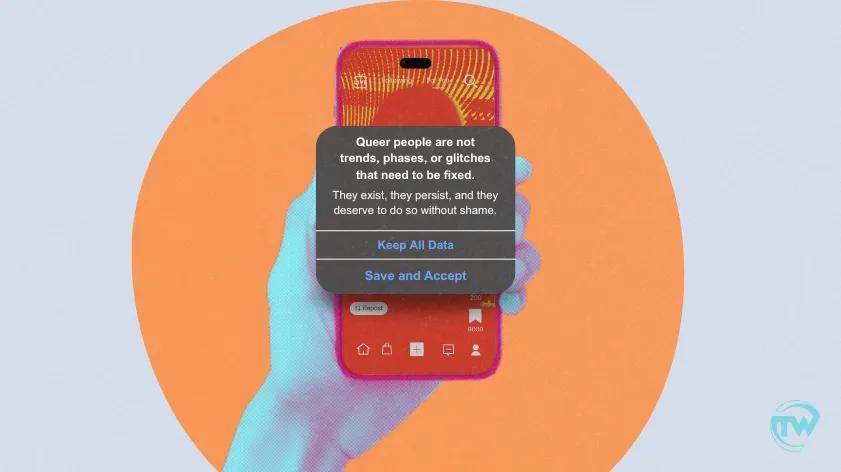
To the sound of Titibo-tibo by Moira Dela Torre, TikTok videos begin the same ways: clips of a past self, a so-called “queer phase,” waiting to be erased.
When you open the app, you’ll likely come across multiple videos talking about the “factory reset” trend. These clips show an individual during their queer era, followed by clips of them being portrayed as “cured” of their queerness.
You would think these videos are satire, but a glance at the comment section would be enough to tell you that they are, in fact, serious. Multiple videos of this trend can be seen on the platform, but all of them portray the same message: queerness is a phase, and queer people can be “fixed” into being straight.
But the truth is, the reset button does not exist, and one’s queerness cannot be erased.
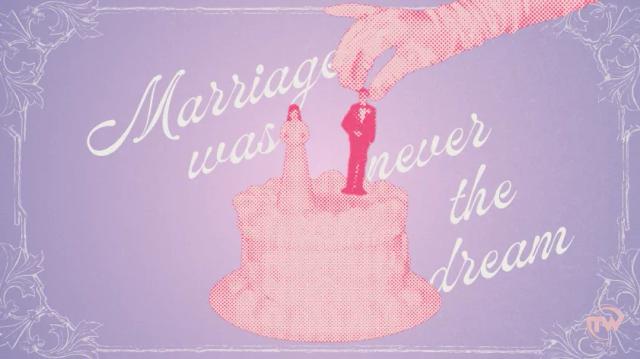
The harmful myth of 'factory reset'
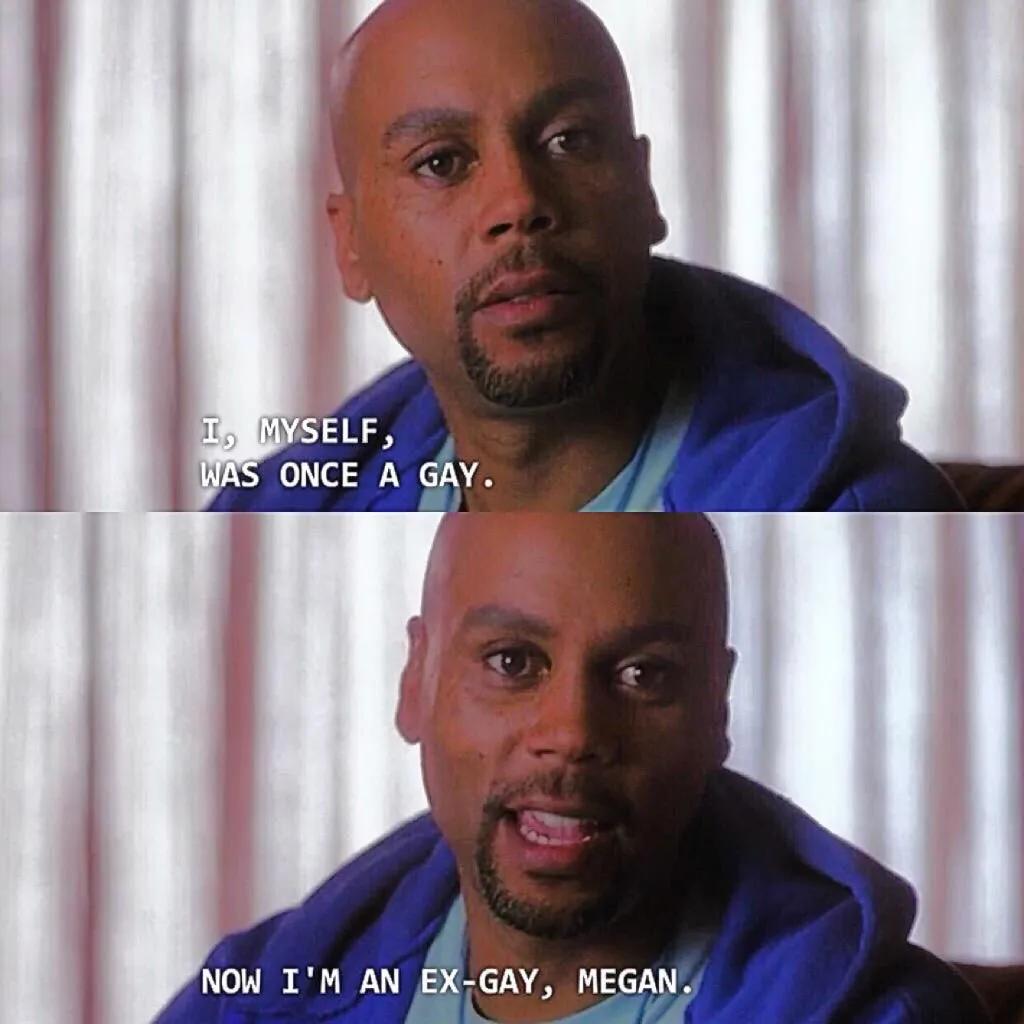
(Photo from But I’m a Cheerleader (1999))
The “factory reset” trend on TikTok implies that identifying as gay or lesbian is a “glitch” or a “phase” that can supposedly be corrected by finding the “right" opposite-gendered partner. It reinforces heteronormativity by suggesting that being straight is the “default” or “factory setting” of every individual—something one is meant to return to after deviation.
The trend gained traction after several TikTok users, who claimed to have been “cured” from their queerness, posted their before-and-after videos. These clips depict a narrative of transformation from queerness as confusion or instability to heterosexuality as clarity, wholeness, and resolution.
Beyond its viral appeal, the “factory reset” trend carries implications that extend far beyond the TikTok algorithm by framing queerness as something that can be undone. The trend echoes long-standing narratives that have pathologized LGBTQ+ identities—treating them as errors rather than lived realities.
What makes the trend particularly insidious is its presentation as personal testimony. These videos are often defended as “just someone’s personal experiences,” yet in doing so, they subtly reinforce the belief that fulfillment and legitimacy are only attainable once one aligns with heterosexual norms.
This narrative can be deeply destabilizing for young viewers who turn to social media to find language for their identities. The suggestion that queerness is merely a phase waiting to be outgrown or corrected fuels internalized shame and self-doubt, especially in environments where acceptance is already fragile.
In a sense, the “factory reset” can be likened to conversion therapy—concealed in the language of self-improvement and repackaged for the digital age. Much like conversion therapy, the “factory reset” trend seeks to suppress queer identity by presenting heterosexuality as the corrective outcome.
Moreover, it invalidates and disrespects the existence of queer people who, for decades, have fought for their identities to be accepted and treated as equals within a society that historically denied the legitimacy of their love.
Sexuality exists on a spectrum

(Photo from Portrait of a Lady on Fire (2019))
There is no “going back” from queerness, even if one believes that they have been “cured” of it. Sexuality exists on a spectrum, and human attraction does not operate on a simple switch that can be turned on or off at will. As people grow and gain language for their experiences, they may come to understand themselves differently, but this does not mean their past identities were mistakes.
For those who experience attraction beyond the opposite gender, labels such as bisexual or pansexual may feel more accurate. For those who solely feel attraction towards the same gender, they may feel inclined to label themselves as lesbian or gay. Others may find that they feel little to no romantic or sexual attractions at all and may identify as aromantic or asexual, respectively.
These labels are not trends or temporary phases; they are tools—ways for people to articulate experiences that have always existed but were once unnamed or misunderstood.
The world has evolved, and with it, our understanding of queerness. The term “homosexual” should no longer be treated as a diagnosis or a defect, nor is it confined to a narrow definition of attraction. Instead, sexuality should now be understood as complex, personal, and deeply rooted in one’s sense of self.
We have so many labels to choose from, and it is important to acknowledge them rather than putting yourself in a box that does not define you.
Sexual orientation does not equate to gender expression

(Photo from Paris Is Burning (1990))
As observed, videos under the “factory reset” trend involve masculine women or feminine men who claim that finding a partner of the opposite sex has “cured” their queerness.
It's crucial to recognize that gender expression—how one presents or embodies masculinity or femininity—does not determine sexual orientation. Feminine women can be lesbian, while masculine men can be gay. Likewise, masculine women and feminine men can be straight.
People across the spectrum can express themselves in countless ways without it dictating who they are attracted to.
The trend is misleading because it conflates appearances with identity, suggesting that non-conforming gender expression is evidence of confusion or a phase that must be “corrected.” In reality, attraction and identity are far more complex than clothing, hairstyle, or behavior.
These videos perpetuate harmful stereotypes and reinforce the idea that only hetero-normative expressions of gender and sexuality are valid.
Queerness is not a phase
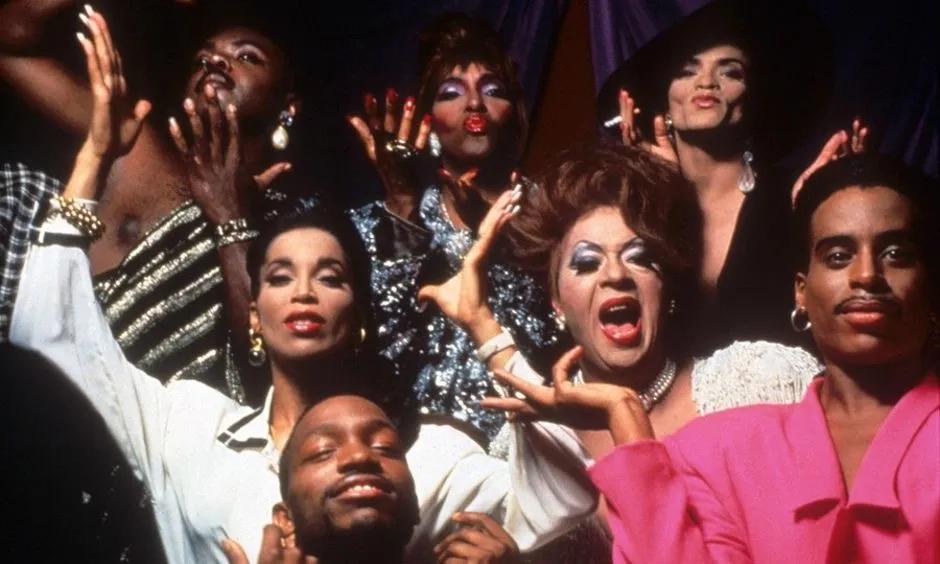
(Photo from Paris Is Burning (1990))
Whether intended as a joke or not, the “factory reset” trend has done irreversible damage to the queer community, emboldening rhetoric that frames queer identities as something to be “fixed.” This is evident in the rise of comments from straight men claiming that they can “reset” lesbians or “turn” them straight—language that trivializes consent and revives long-standing forms of harassment.
As such rhetoric seeps into everyday language, the values that queer communities and their allies have long fought for—dignity, acceptance, and respect—are gradually eroded.
What was once challenged and condemned is once again normalized, pushing queer people back into a cultural moment where simply loving the same gender was enough to invite ridicule or violence against them.
Queer identities are reduced to punchlines, stripped of their humanity, and treated as temporary deviations rather than lived realities. This regression does not signal progress, irony, or harmless humor—it signals a dangerous familiarity with ideas that history has already proven harmful.
Queer people are not trends, phases, or glitches that need to be fixed. They exist, they persist, and they deserve to do so without shame.










Comments
Loading comments...
Leave a Comment