


There are problems we only begin to understand when we feel them in our daily lives. With oil prices increasing in the country, one thing is certain: inflation has become an unavoidable reality for every Filipino.
Among the first to bear the weight are jeepney drivers, long before the effects are felt in markets or measured in reports, and long before the rest of us feel the pain; they bear the brunt of its impact firsthand.
Each price hike immediately cuts into their daily earnings, reducing what should have been income into compensation for the cost of keeping their jeepneys running, to feed their families, and help commuters reach where they need to go.
A jeepney driver’s struggle
(Photo by Liana Ortega/TomasinoWeb)
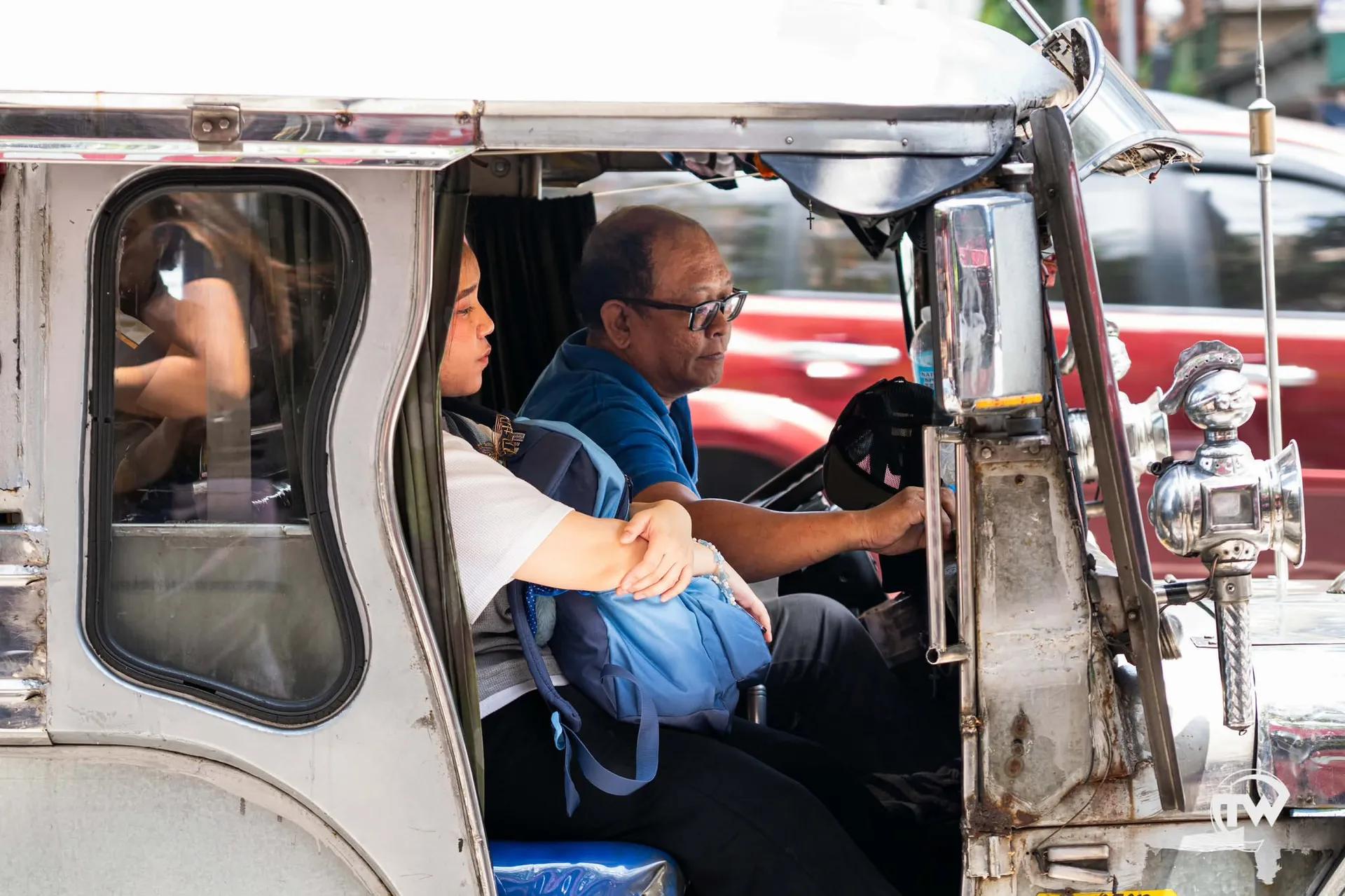
Jeepney drivers begin their day like everyone else, hoping to bring home something by the end of it. However, with oil price hikes, that hope is slowly being taken away from them. What they earn is no longer truly theirs. It is already claimed by diesel costs, leaving little to nothing behind.
Drivers have said that their daily income has dropped drastically, with some earning only a fraction of what they used to, as most of their income goes directly to fuel costs. What used to be enough to sustain a family is now barely enough to keep the jeepney running. As a result, many drivers are left with an impossible situation. They continue working longer hours, hoping to earn more, yet end up with less. The more they drive, the more fuel they consume and the less they take home. It becomes a cycle where effort no longer guarantees reward, only exhaustion.
This then forces other drivers to stop operating altogether. When the cost of diesel exceeds what they can earn, continuing to drive no longer makes sense. In fact, some jeepney operators have already stopped plying their routes because expenses outweigh their income. This decision is never easy to make because to stop driving is to lose one’s only source of livelihood, and to continue driving under these conditions is to lose more each day slowly.
A full day of labor should at least mean food on the table, but for many jeepney drivers today, even that is no longer guaranteed.
Its lingering effect on commuters
(Photo by Ryan Baldemor/Philippine Star)
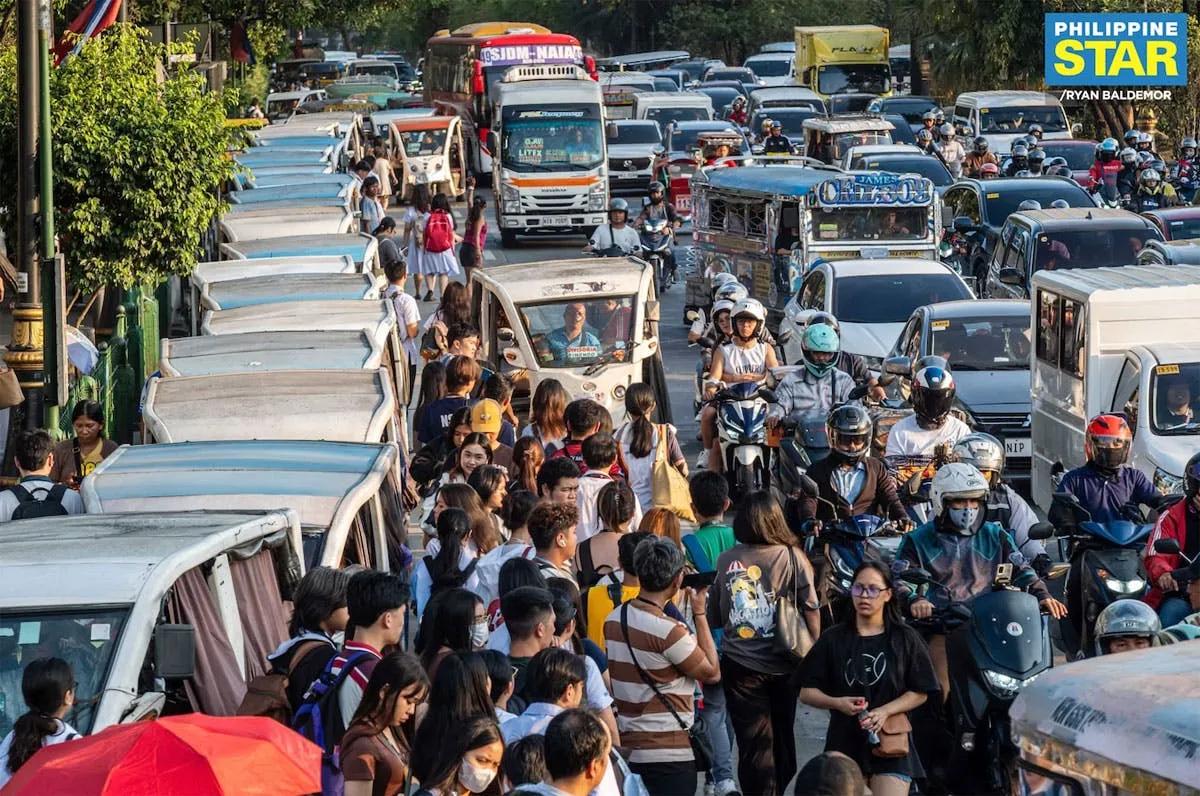
Inevitably, the struggle extends to the commuters. When jeepney drivers are forced to stop operating, the immediate effect is already felt on the streets. Fewer jeepneys mean longer waiting times, more crowded rides, and limited options for those who rely on them every day. What used to be a routine commute becomes uncertain, even exhausting.
The government suspends fare increases to consider our commuters, especially students and those already struggling. Yet, even without fare increases, commuters are not untouched by the crisis. The burden simply takes on a different form. It is felt in the long hours spent waiting under the heat, in the struggle to secure a seat in an overcrowded jeepney, and in the fatigue that slowly builds from a daily commute that is no longer reliable.
People are feeling different kinds of exhaustion, and this lingers for everyone. The exhaustion of leaving earlier than usual just to arrive on time. The exhaustion of adjusting, again and again, to a system that no longer functions as it once did. The exhaustion of knowing that even something as basic as getting from one place to another has become uncertain.
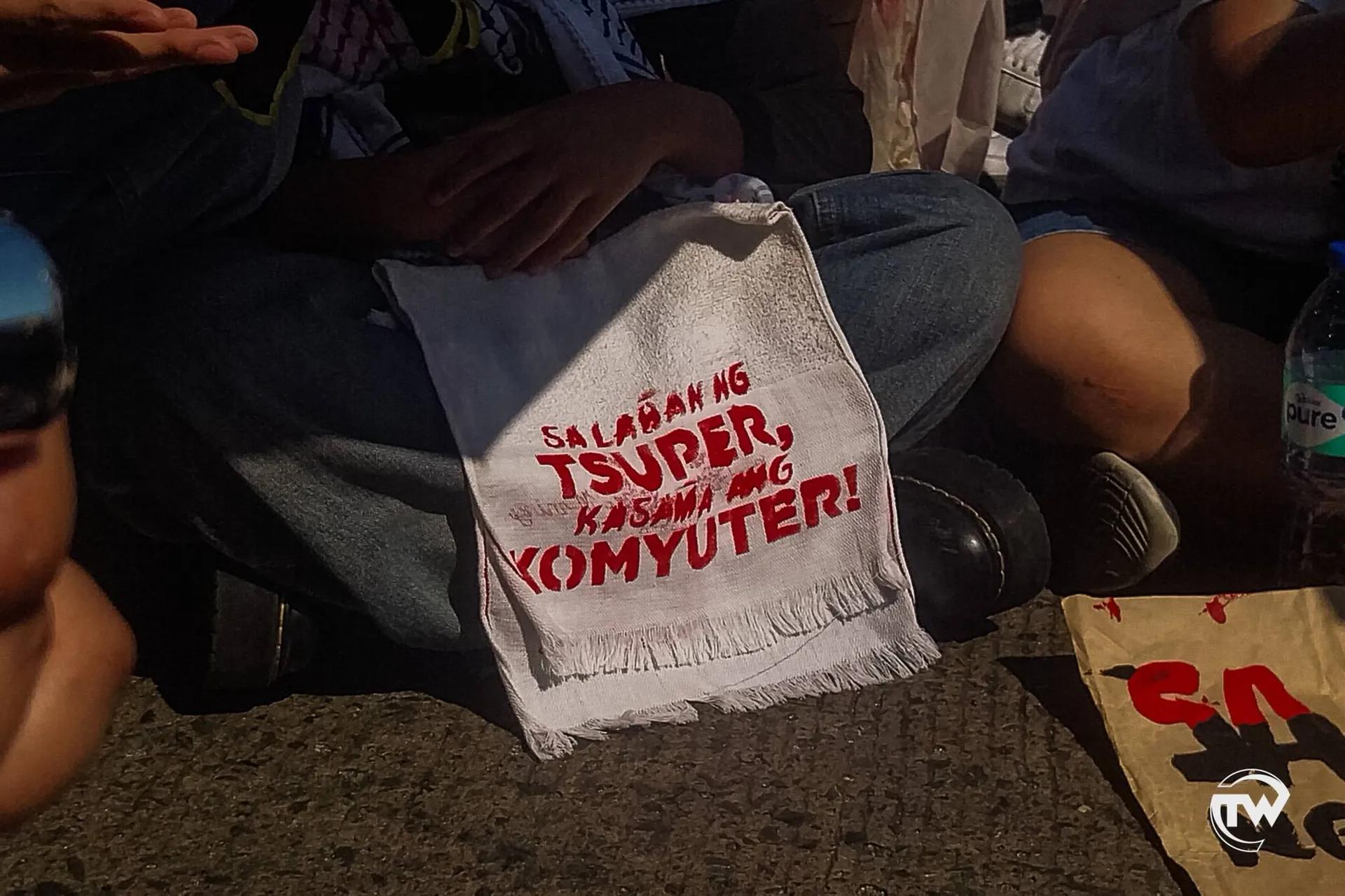
Kaya sa laban ng tsuper, kasama ang komyuter
(Photo by Rafael Asonza/TomasinoWeb)
It becomes clear then that the fight of the jeepney driver is not his alone; it is carried by every commuter who waits longer, pays more, and endures a system that no longer moves as it once did.
In solidarity with our jeepney drivers, we recognize that when one side is pushed to its limit, the other follows. So, this is where the need for action becomes urgent. It cannot remain this way, where the burden of rising oil prices is carried almost entirely by those who have the least capacity to bear it. It cannot be that drivers are forced to choose between continuing a losing livelihood or giving up their only source of income, while commuters are left to endure increasingly difficult conditions just to get through the day.
There is a clear and urgent need for government action. Fuel taxes must be reassessed, especially amid ongoing price hikes, so that the costs of global crises do not fall entirely on local workers and commuters. Subsidies for transport workers must be strengthened, and policies must go beyond temporary relief to address the structural vulnerability of a transport system that relies heavily on the least protected workers.
The government can no longer afford inaction, and neither can we and our jeepney drivers. This is more than public transportation, but about the kind of society we allow to exist, where everyone thrives. One where systems are built to protect those who keep everyday life moving, and not where people are left to carry their own burdens.
“Sa laban ng tsuper, kasama ang komyuter,” is not just a slogan but a call not only for solidarity, but for accountability, and for change.











Comments
Loading comments...
Leave a Comment