


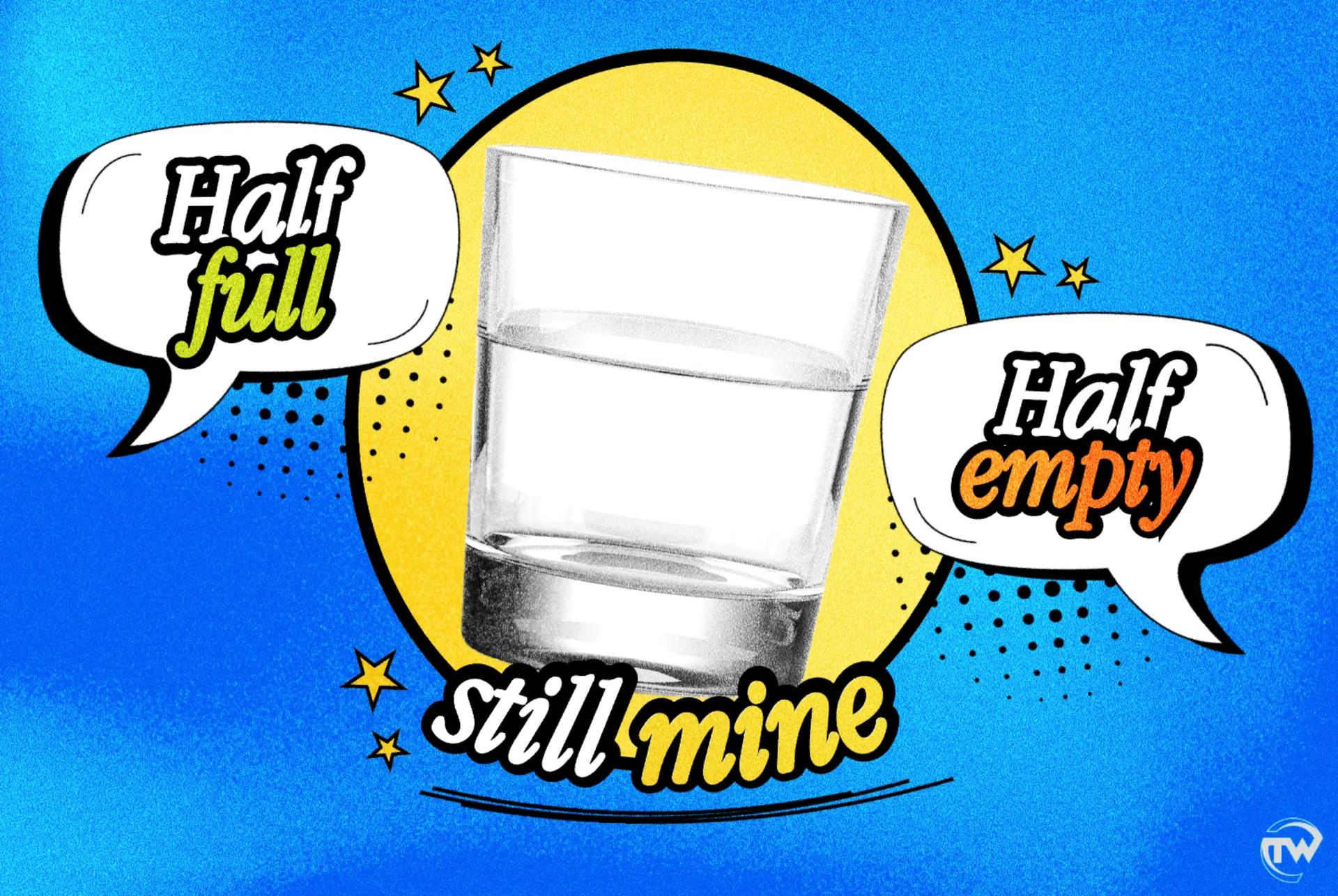
“Is the glass half full or half empty?”—an idiom that has evolved into a TikTok trend, with people offering their own twists through impressions. But beyond the trend, what does it really mean to see the glass as either full or empty?
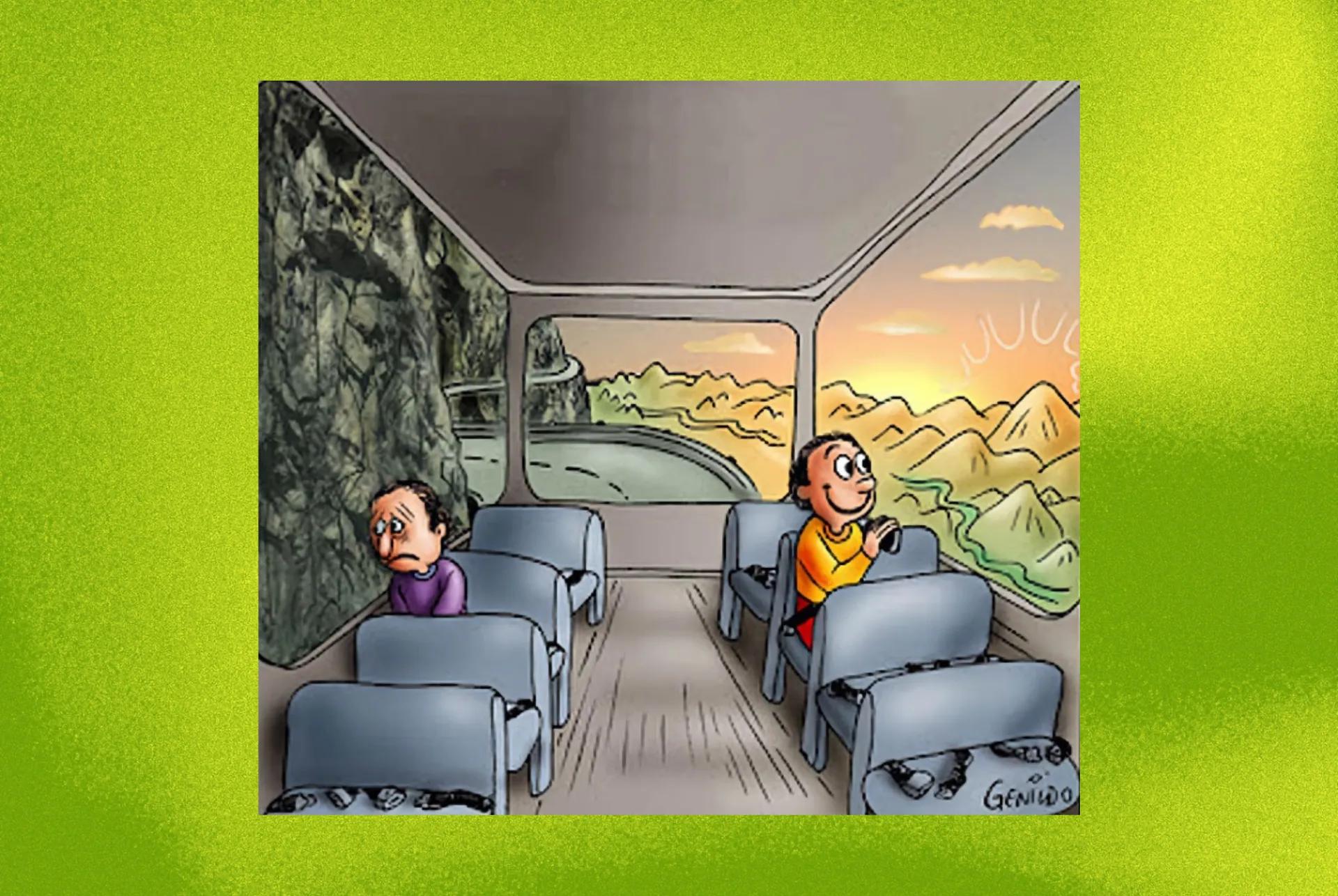
The idiom shows the perspective of optimism versus pessimism, and how we interpret situations through a lens of lack or possibility. But when reduced to a polar choice, perspective becomes a restraint; it becomes too narrow, too binary, and too limiting.
Because by focusing too much on what the glass looks like, we overlook something else—what we choose to do with it next.
More than half full and empty
(Photos and Artwork by Lee Rayven Laurel and Danielle Mantes/TomasinoWeb)
Optimism is the quality of holding hope and emphasizing the good aspects of a situation. Pessimism, on the other hand, leans toward the negative—focusing on what could go wrong or what is lacking. These perspectives have become an almost automatic response in interpreting everyday situations.
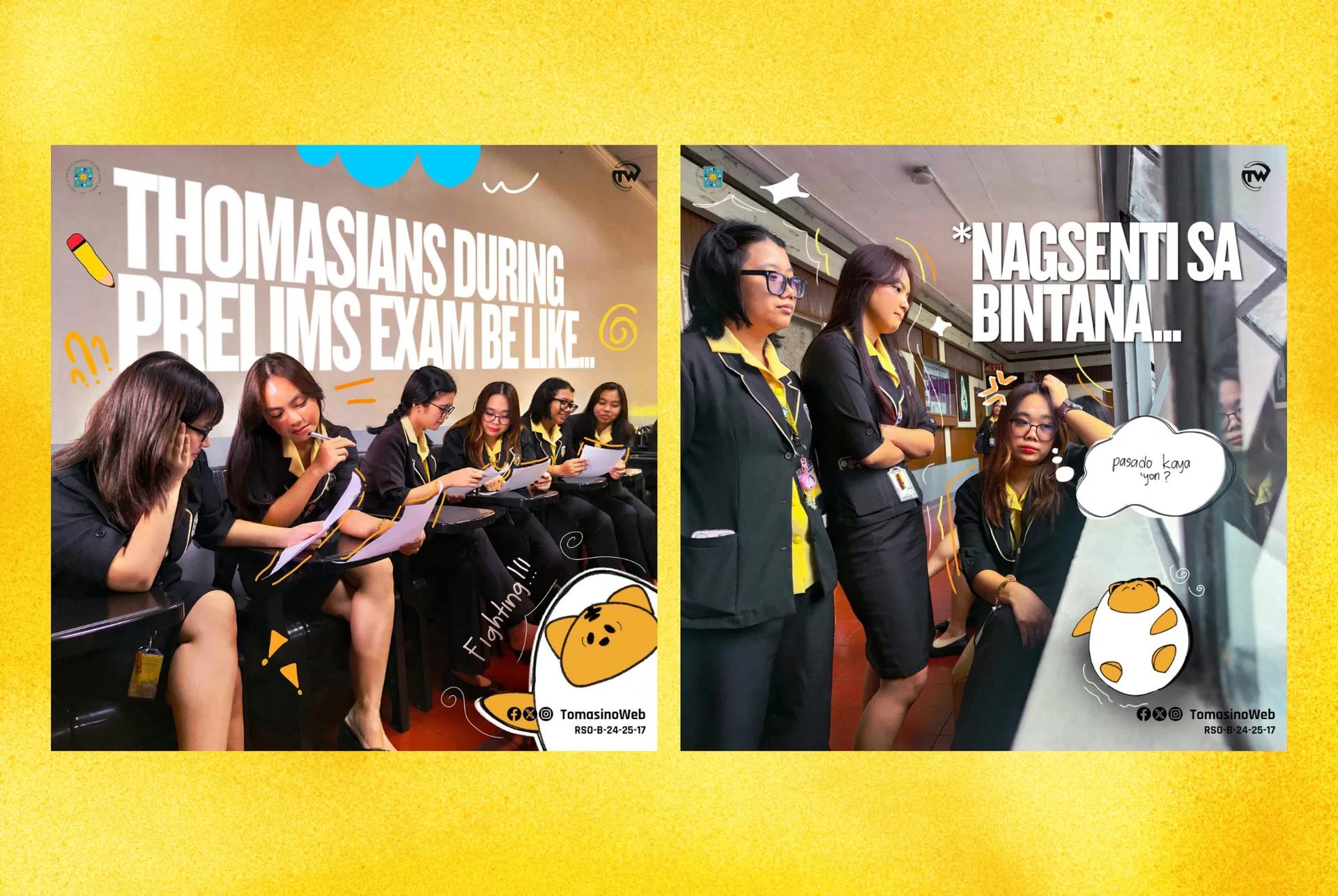
These default and habitual responses are evident as exams approach. An optimistic student may gravitate toward a positive attitude, trusting that things will work out. A pessimistic student may fall into negative self-talk, anticipating failure before it even happens. On the surface, it seems simple: one mindset leads to confidence, the other to doubt.
But the distinction is not always that clear. Optimism can sometimes lead to complacency, leading people to rely too much on hope rather than taking action. Pessimism, while often seen as limiting, can push someone to prepare more thoroughly out of fear of failure. In this sense, perspective alone does not fully determine the outcome.
This raises a deeper question: Is choosing between optimism and pessimism enough? Perspective may shape how we see a situation, but it does not dictate what happens next. Interpretation is only the beginning. What truly matters is how we act on it.
Comfort and limits of perspective
(Artwork by Genildo Ronchi)
In many Filipino communities, there is a strong inclination toward looking on the brighter side, reinforcing optimism as both a mindset and a cultural value. Familiar expressions like “may mas mabigat pa diyan,” “ayan lang, hirap na hirap ka na?” and “at least ayan lang” reflect this tendency. While often well-intentioned, these phrases can push people to move on quickly, sometimes at the expense of fully processing their feelings.
Optimism becomes a tool for resilience, allowing people to endure and carry on. Yet, in doing so, it can also skip over difficult emotions in the effort to cope. Neither way of seeing fully captures the depth of an experience.
Perspective has its limits. When we rely too heavily on optimism or pessimism, our outlook on life can feel superficial—compressing emotions into a verdict and replacing understanding with the urgency to feel better or assume the worst.
So what does it mean to truly own an experience?
To own an experience is to sit with discomfort—to acknowledge that pain exists without immediately trying to resolve or reframe it. It is allowing emotions to unfold and settle before assigning meaning to them. Not everything needs to be seen in a better light; some things need to be felt deeply first.
And this is where the question of the glass begins to change. The real question is not in how it is seen, but in how it is held.
Owning the glass
(Photo by Eva Zwaan/Pexels)
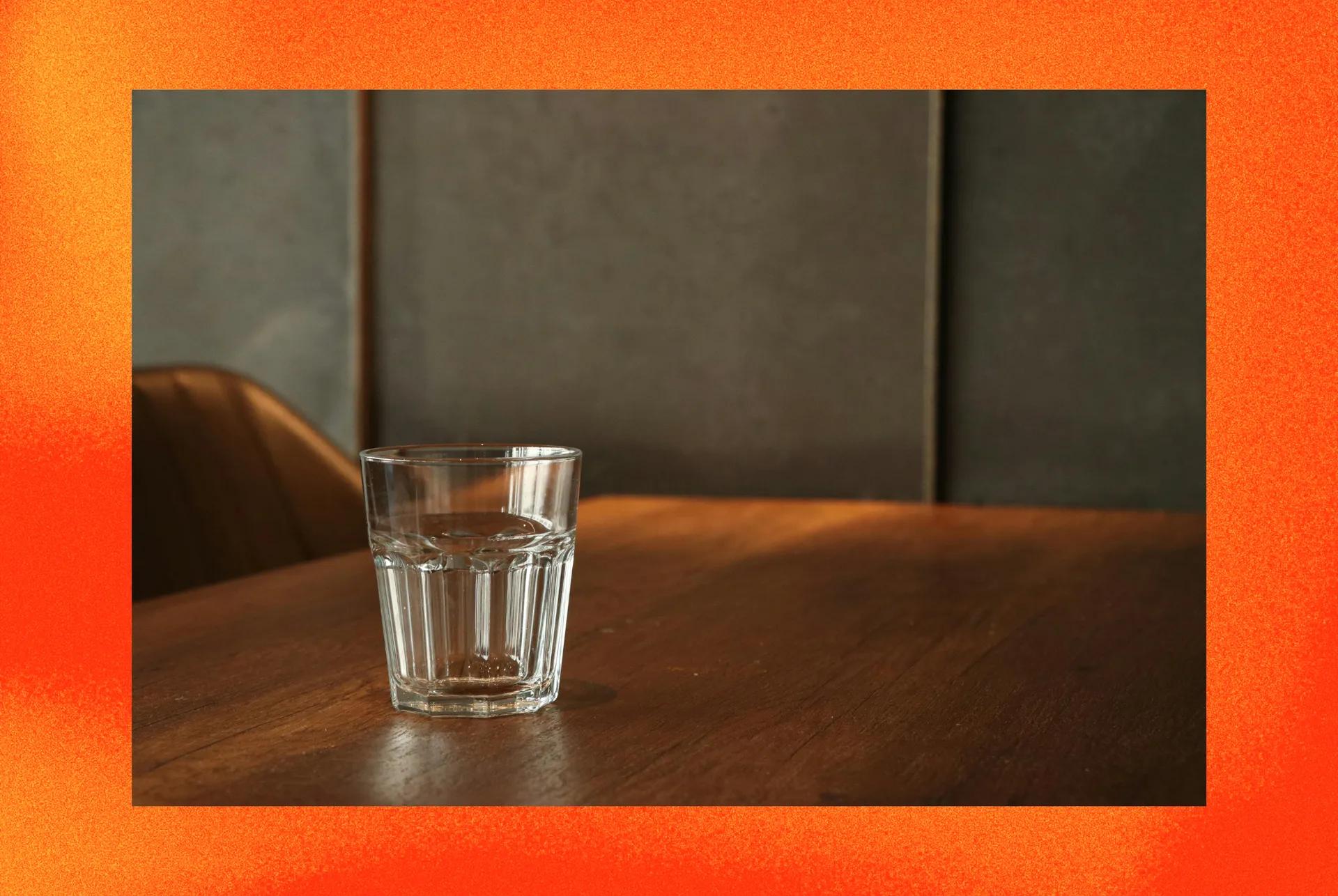
Owning the glass means going beyond mere seeing. It means taking responsibility for what comes next. Perspective is how the glass is viewed; ownership is what we choose to do with what’s in it.
When action follows interpretation, experiences begin to feel more personal, more owned. It is in that decision, in choosing how to respond, that moments become fully one’s own. This sense of ownership is what allows growth to happen, as it moves beyond passive observation into intentional engagement. It builds not only direction, but emotional maturity.
In a world that pressures people to decide and reframe situations immediately, ownership creates space for emotions and actions. It allows experiences to be fully felt and understood before they are reshaped, making them truly one’s own. I saw this in my own life when I reflected on the many times my mom and I have watched movies together. She always says, “Kapag naiiyak, umiyak. Kapag natutuwa, tumawa.” Over time, this simple advice became a guiding principle for me: to fully feel each moment before trying to control or interpret it.
So when asked whether the glass is half full or half empty, the answer shifts: it’s no longer about how it’s seen, but about what we choose to do with it.
The glass may be heavy, but it can be poured out, refilled, shared, or set down. The condition of the glass matters less than our relationship to it and our next move.
As long as the glass is mine, what matters is what I make of it.









Comments
Loading comments...
Leave a Comment